The Best Cities in Japan for Digital Nomads (and Who Each One Suits)
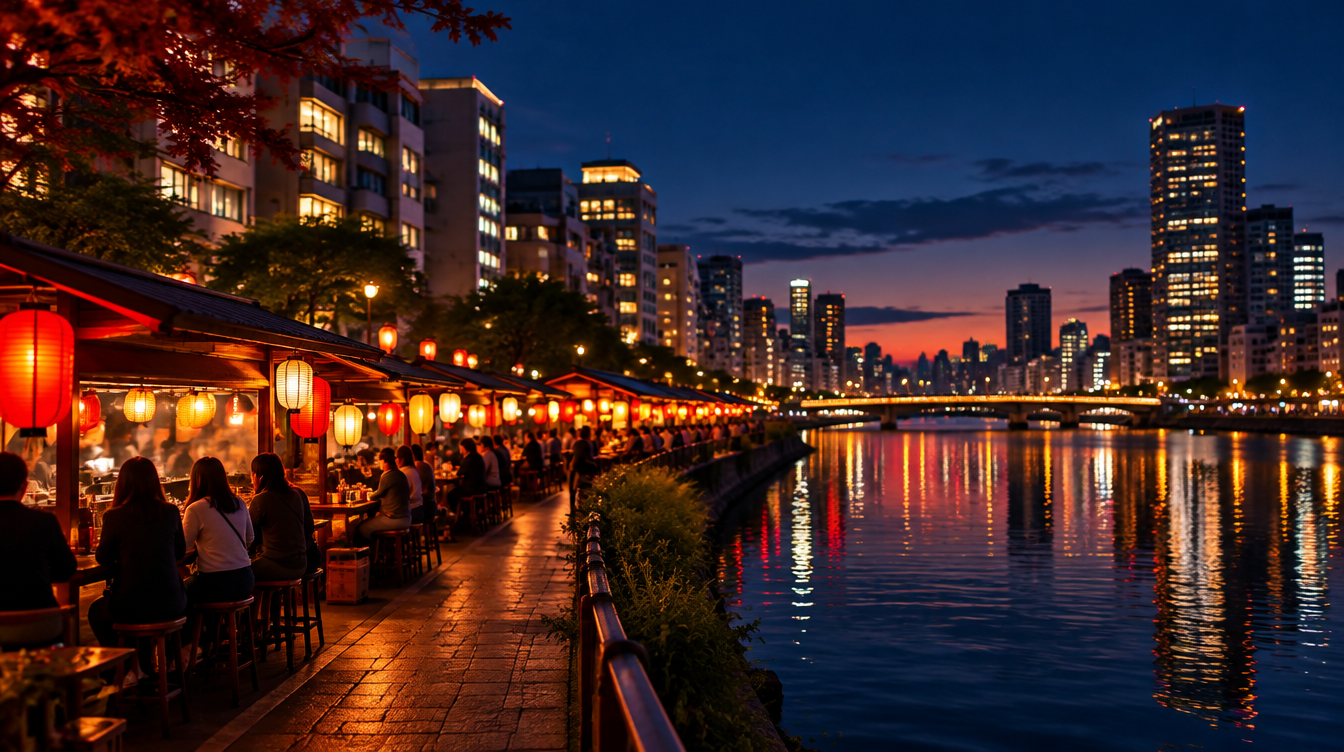
One of the best things about Japan's Digital Nomad visa is that you don't have to pick just one city. The Immigration Services Agency confirms you don't need any special procedure to stay in several places during your six months. Many people start in a big city to get set up, then move somewhere quieter.
Here's how the main options compare. I live and work in Osaka, so that one comes from experience; the rest is what I'd tell a friend.
Tokyo: the easiest place to start
Tokyo has the most of everything: furnished apartments, share houses, coworking spaces, English support and flights. If it's your first time living in Japan, it's the lowest-friction place to land, set up your phone and transit card, and find your feet.
Good for: first-timers, people who want events and meetups, anyone working long hours who wants everything close by. Watch out for: higher housing costs and crowded commutes.
Osaka: big city, more relaxed
Osaka feels more laid-back than Tokyo while still being a major city, and it's famous for its food. It's a great base for exploring the rest of Kansai: Kyoto, Nara and Kobe are all short train rides away.
Good for: food lovers, people who want a big city that feels friendly, weekend trips around western Japan. Watch out for: fewer English-speaking services than Tokyo.
Fukuoka: compact and easy
Fukuoka is smaller and easy to live in. The airport is close to the city center, which makes trips around Asia simple, and the riverside food stalls (yatai) are a highlight in the evenings.
Good for: people who want a calmer, walkable city with good connections. Watch out for: a smaller choice of short-term housing than the biggest cities.
Kyoto: beautiful, but busy
Temples, gardens and old streets make Kyoto special. It's a lovely place for a month or two, especially outside peak seasons.
Good for: culture and history, a slower pace. Watch out for: heavy tourist crowds in spring and autumn, and short-term rentals that fill up fast.
Sapporo: seasons you'll actually feel
Sapporo has cool summers and real snowy winters, with mountains and hot springs nearby. It's a good escape from the summer heat in the south.
Good for: summer stays, winter sports, people who like a quieter city. Watch out for: long, cold winters if you're not used to snow.
Okinawa: islands and beaches
Okinawa feels different from mainland Japan, with a warm climate, beaches and island life.
Good for: people who want sea and sun with their remote work. Watch out for: you'll likely need to get around by bus or car outside the main city, and storms in typhoon season.
The countryside and workation towns
Some of the most memorable stays happen outside big cities. Japan has a growing number of workation spaces, and smaller towns make it easier to connect with local people. Learn some basic Japanese, carry cash, and rent a pocket Wi-Fi if the internet is unreliable.
How to choose
- First month: start somewhere with easy housing, like Tokyo or Osaka.
- Time zone: if your team is in the US or Europe, pick a place where late-night or early-morning calls are comfortable.
- Season: plan your route around the weather, such as Sapporo in summer and Okinawa in winter.
- Budget: smaller cities usually cost less for housing.
Wherever you go, you'll be living without a residence card, which changes how you rent, bank and get a phone. Here's how that works.
First, make sure you can get the visa: take the free eligibility check.